 Fundamentals Hub
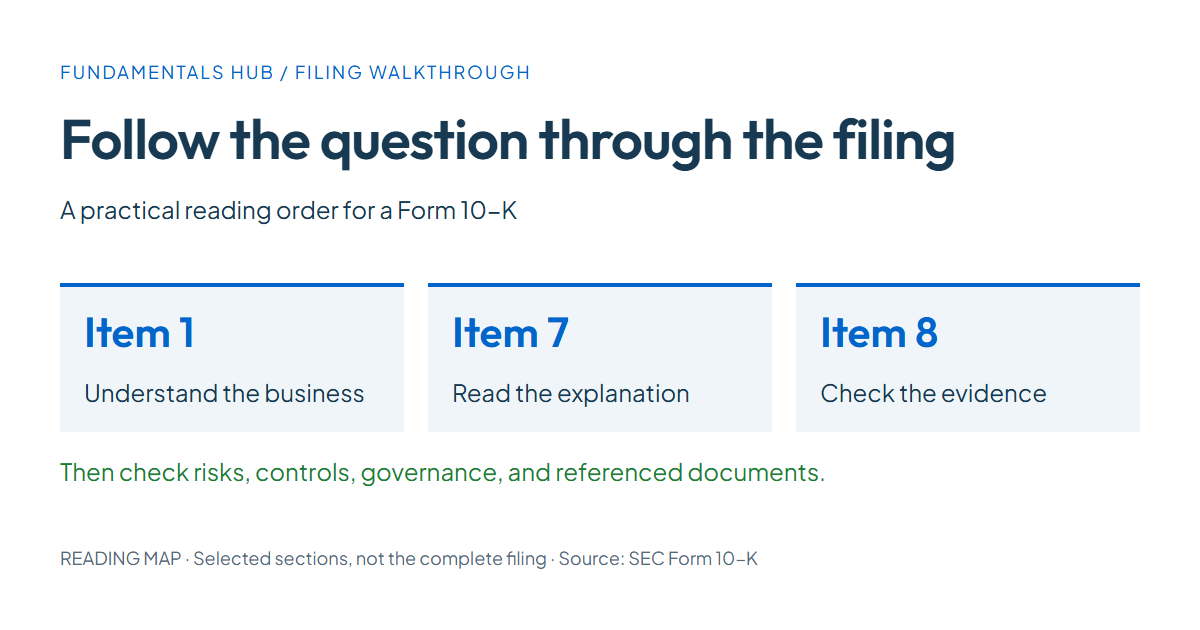
How to Read a 10-K Filing: Section-by-Section Guide
Learn how to read a 10-K filing: locate key sections, trace Apple's sales through the notes, and check audit, controls, and proxy disclosures.
Developer guides on SEC EDGAR, financial data APIs, and fundamental analysis.
Learn how to read a 10-K filing: locate key sections, trace Apple's sales through the notes, and check audit, controls, and proxy disclosures.
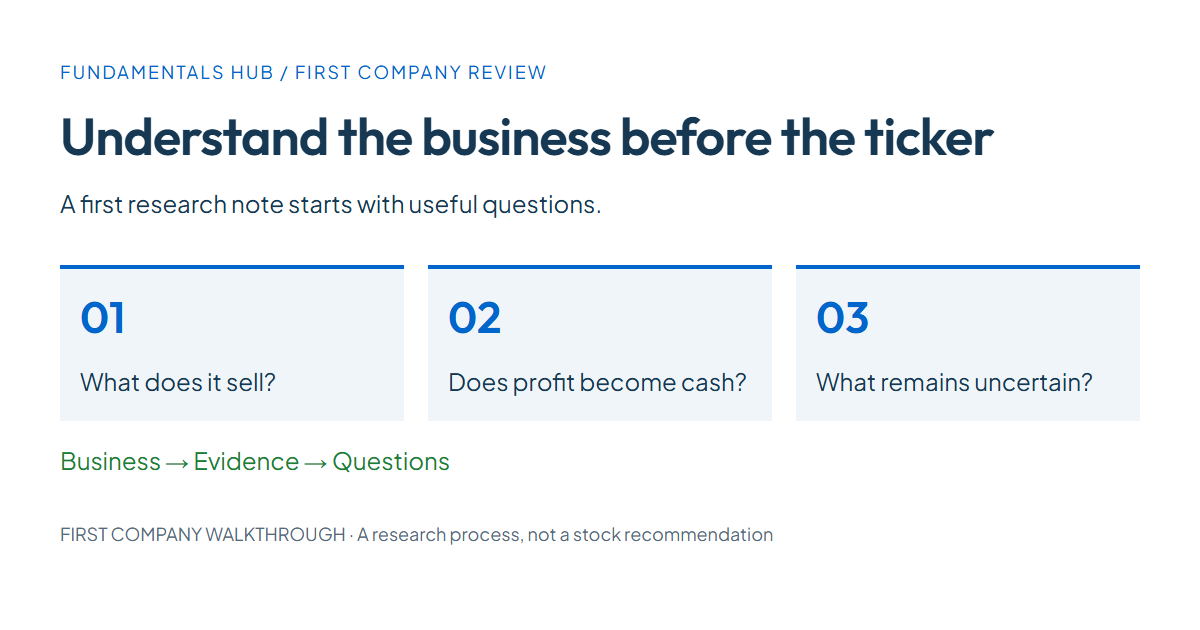
Fundamental analysis for beginners: research one company, check filings, calculate growth and cash flow, and write a clear first research note.
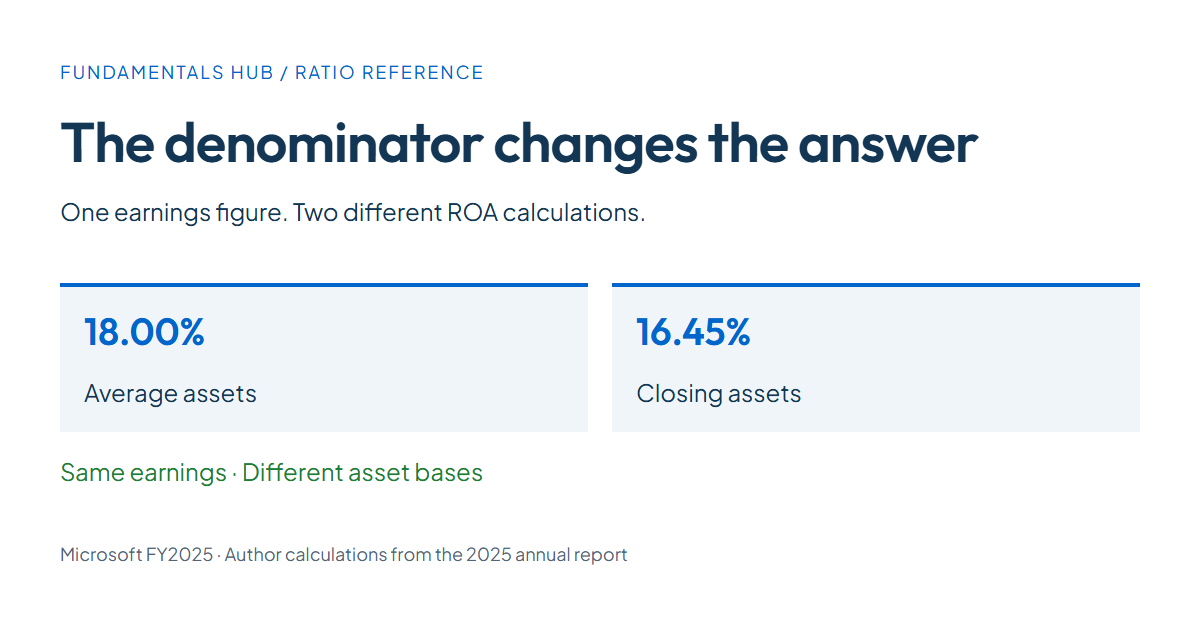
Financial ratio analysis with formulas, period rules, a Microsoft worked example, and checks for missing data, negative equity, and misleading denominators.
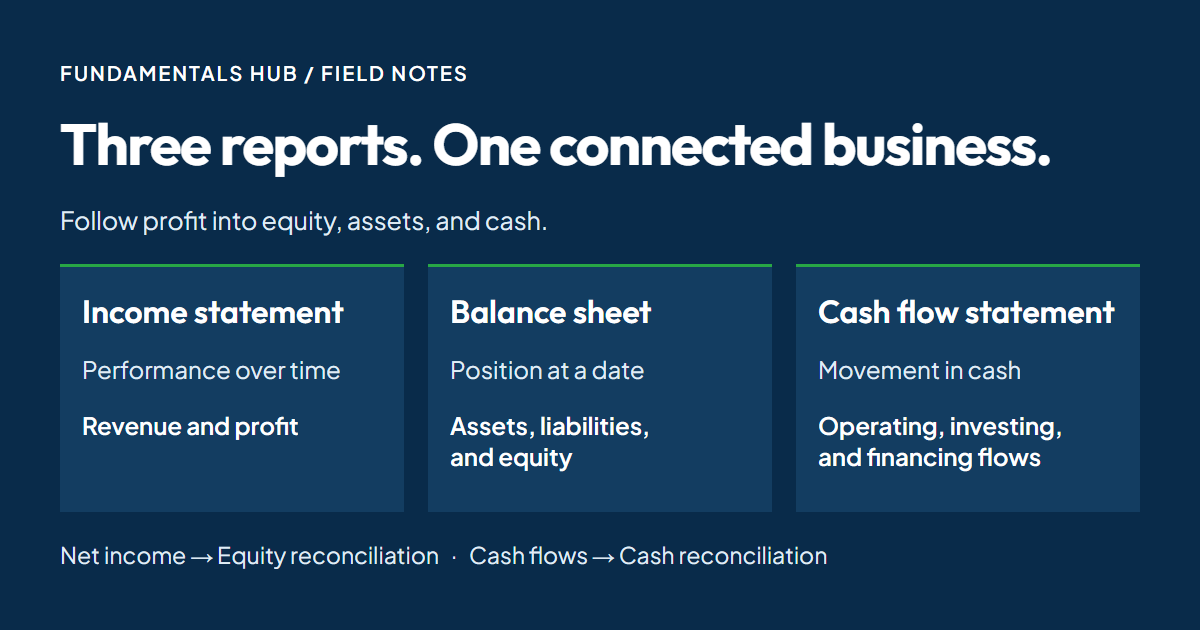
Understand company financial statements through linked examples of profit, assets, equity, and cash, plus the period mismatches that break reconciliations.
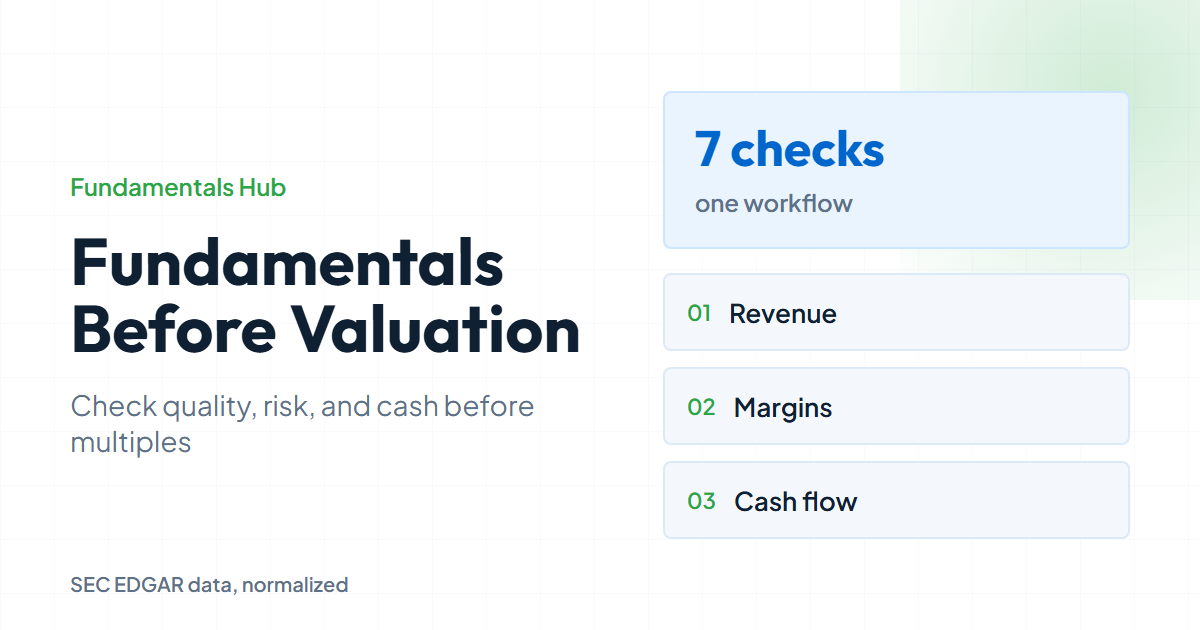
How to analyze stock fundamentals with a practical checklist for revenue quality, margins, cash flow, balance sheet risk, and peers.
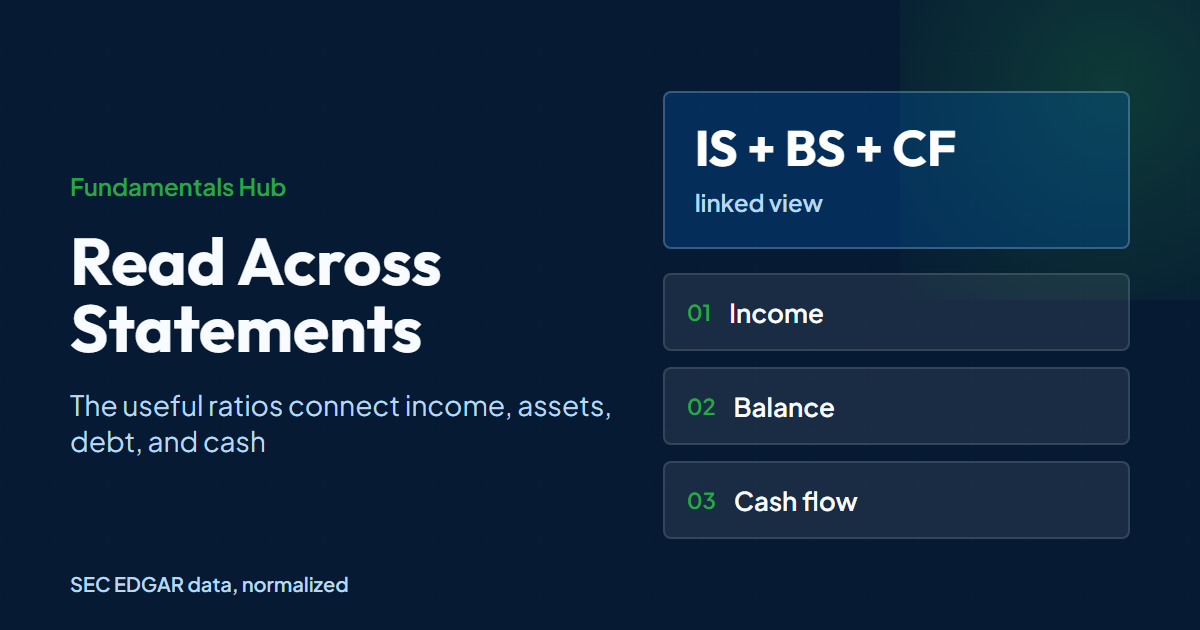
Financial statement analysis works best when ratios are tied to profitability, liquidity, leverage, cash flow, and business context.
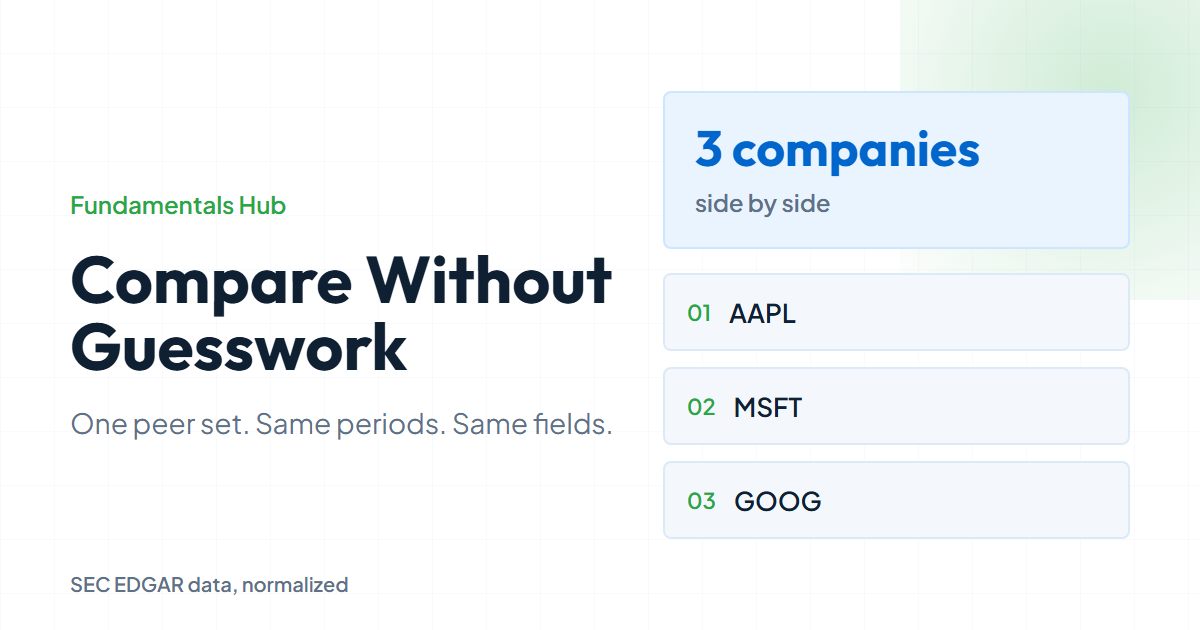
Compare company financials with a practical side-by-side workflow for peers, periods, margins, cash flow, and balance sheet risk.
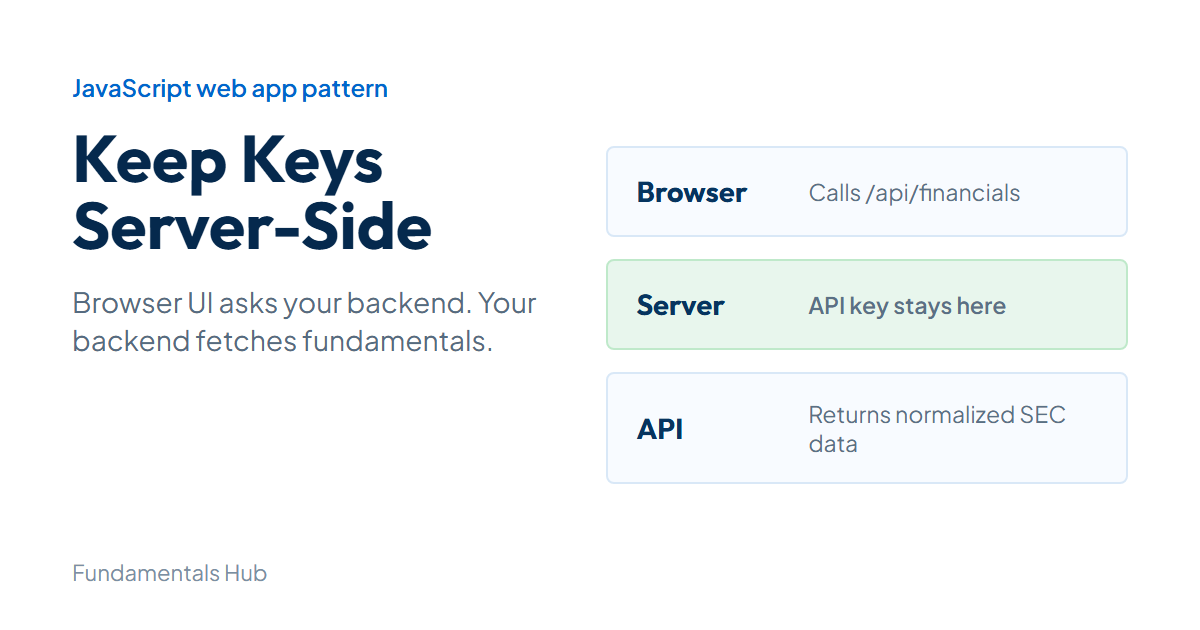
Use a financial API JavaScript pattern without exposing your API key. Build a server route, fetch fundamentals, and render clean data.
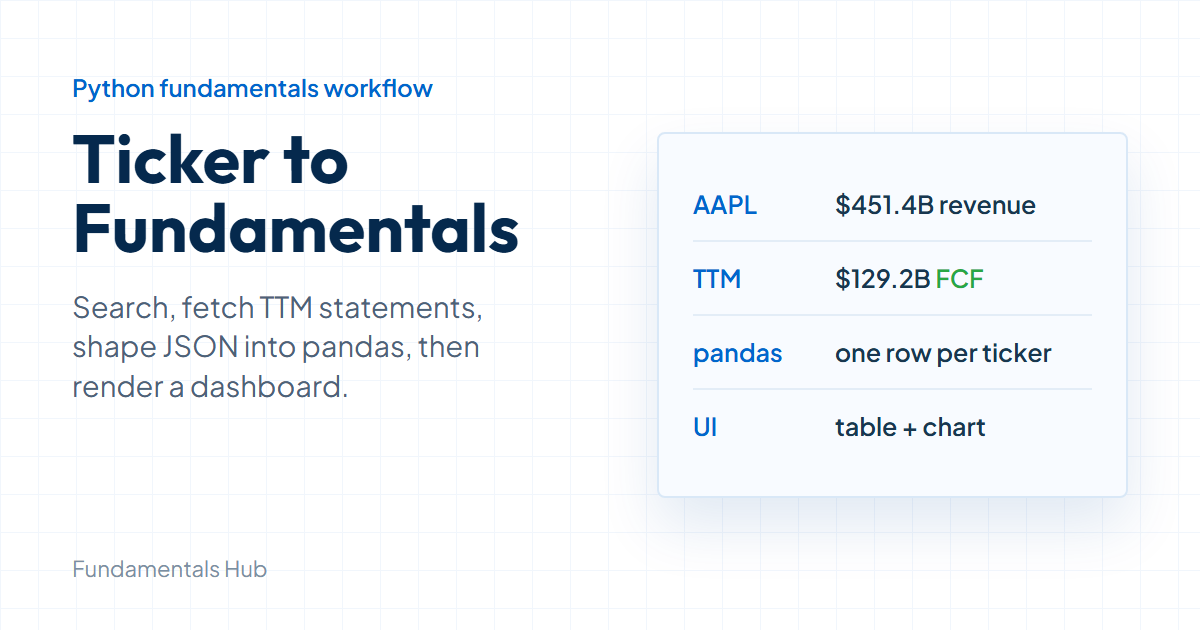
Use a stock API Python workflow to fetch fundamentals, shape JSON into pandas, and build a financial dashboard with real SEC data.
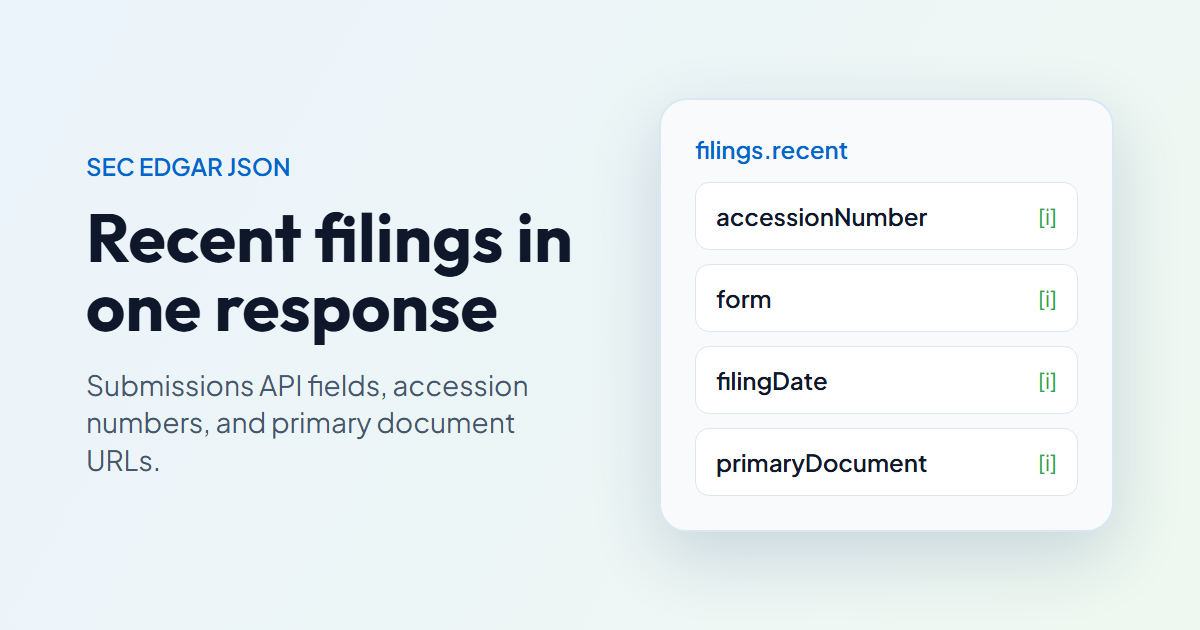
data.sec.gov/submissions JSON guide: endpoint format, recent filing fields, accession numbers, primary documents, filing URLs, and parsing mistakes.
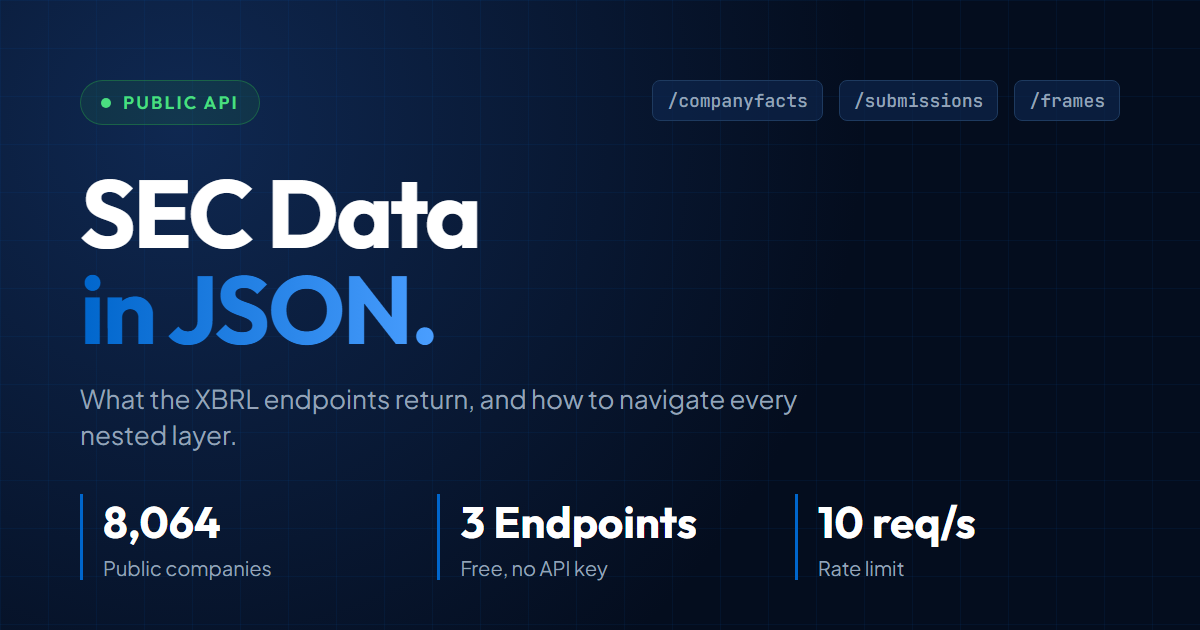
SEC data JSON walkthrough: what the XBRL endpoints return, how to navigate the nested units structure, and a minimal parsing pipeline in Python.
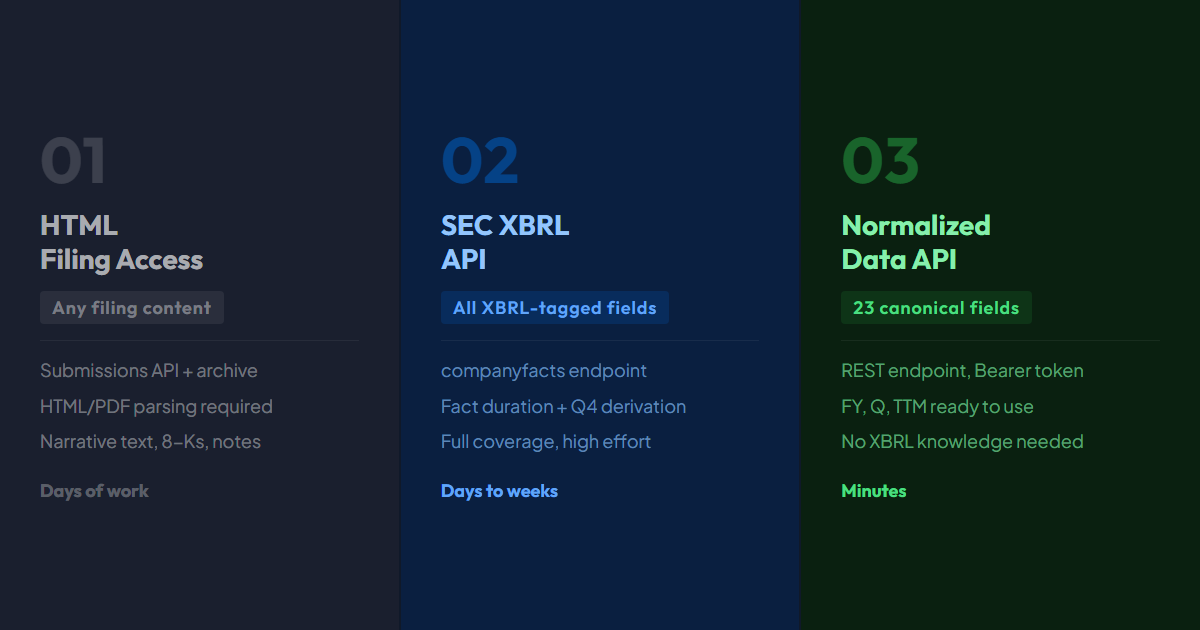
Three ways to get SEC filing data in Python: raw HTML filings, the XBRL API, or a normalized financial data API. Code examples and a direct comparison.
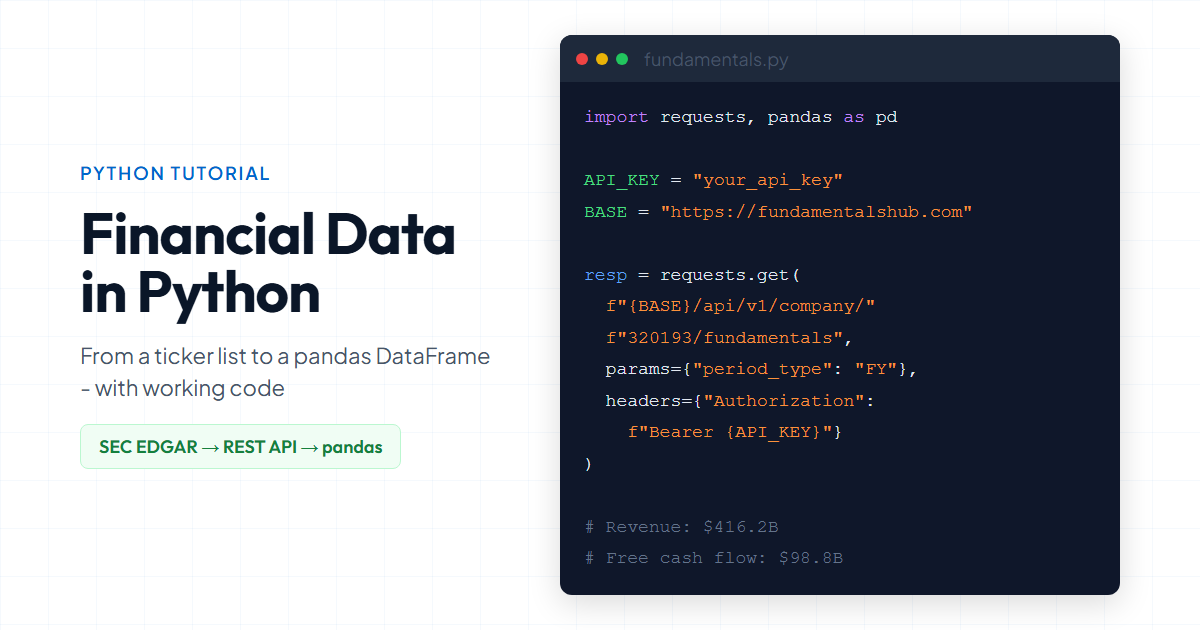
Pull financial data in Python from SEC EDGAR or a REST API. Working code for fetching fundamentals, handling rate limits, and loading into pandas.
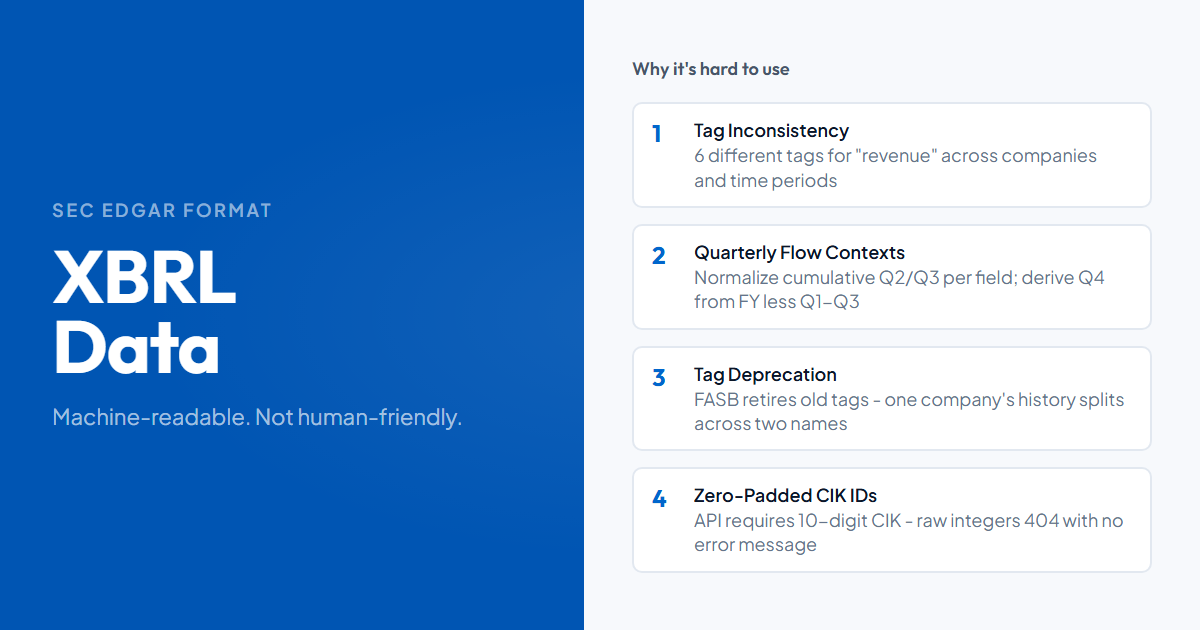
XBRL data explained: what it is, how SEC uses it, and why tag inconsistency makes parsing financial filings hard for developers.
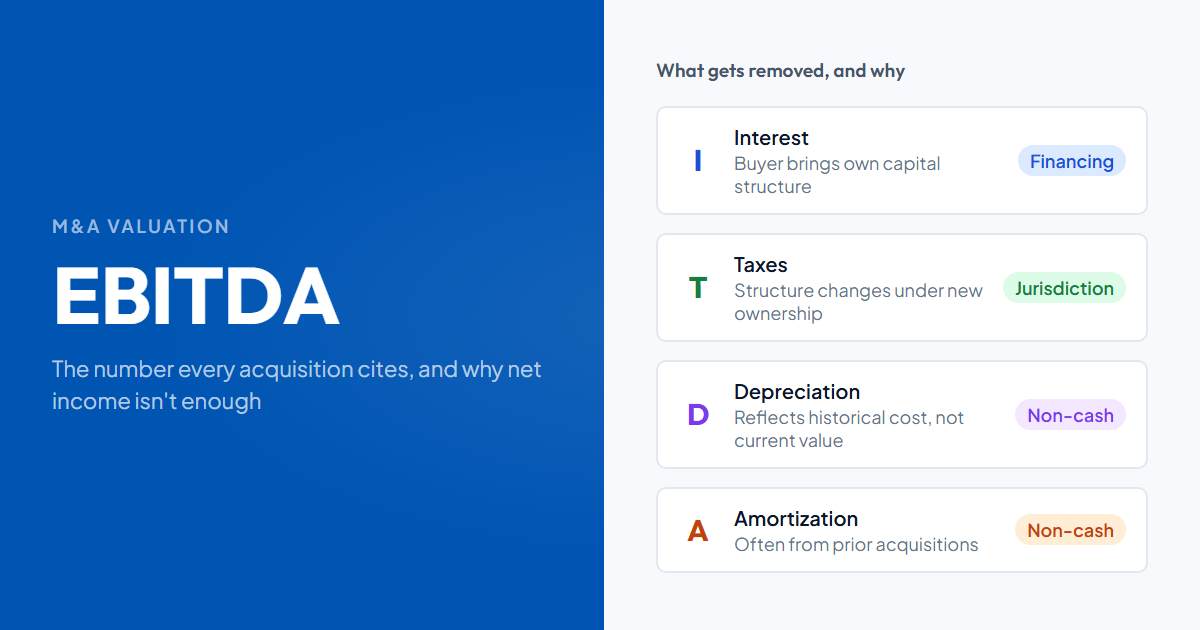
EBITDA explained: what it measures, how to calculate it from an income statement, why M&A buyers use it over net income, and where it breaks down.
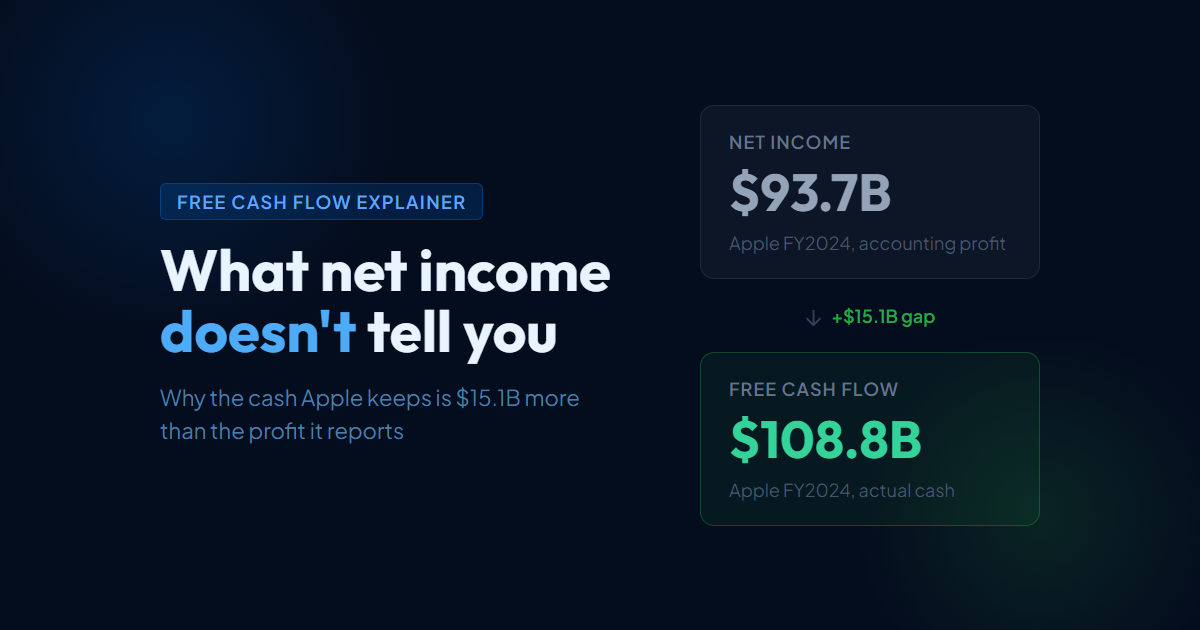
Free cash flow explained with real numbers. Why FCF diverges from net income, how to calculate it, and how analysts use it to value companies.
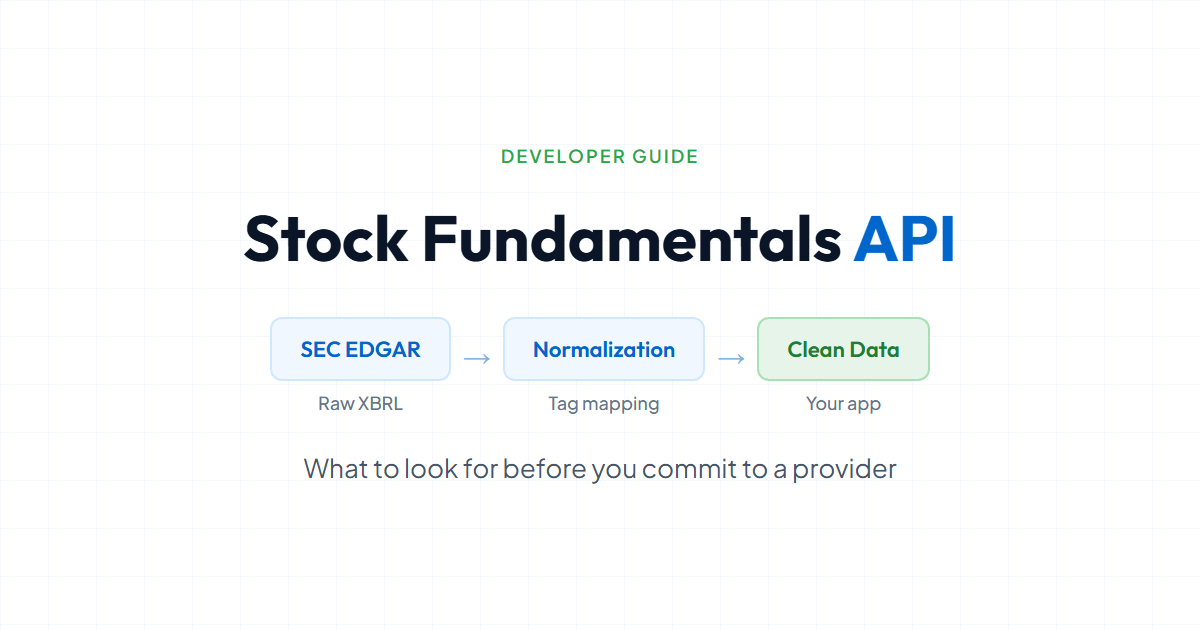
Choosing a stock fundamentals API? Here's what actually matters: normalization quality, TTM support, coverage depth, and the red flags most developers miss.
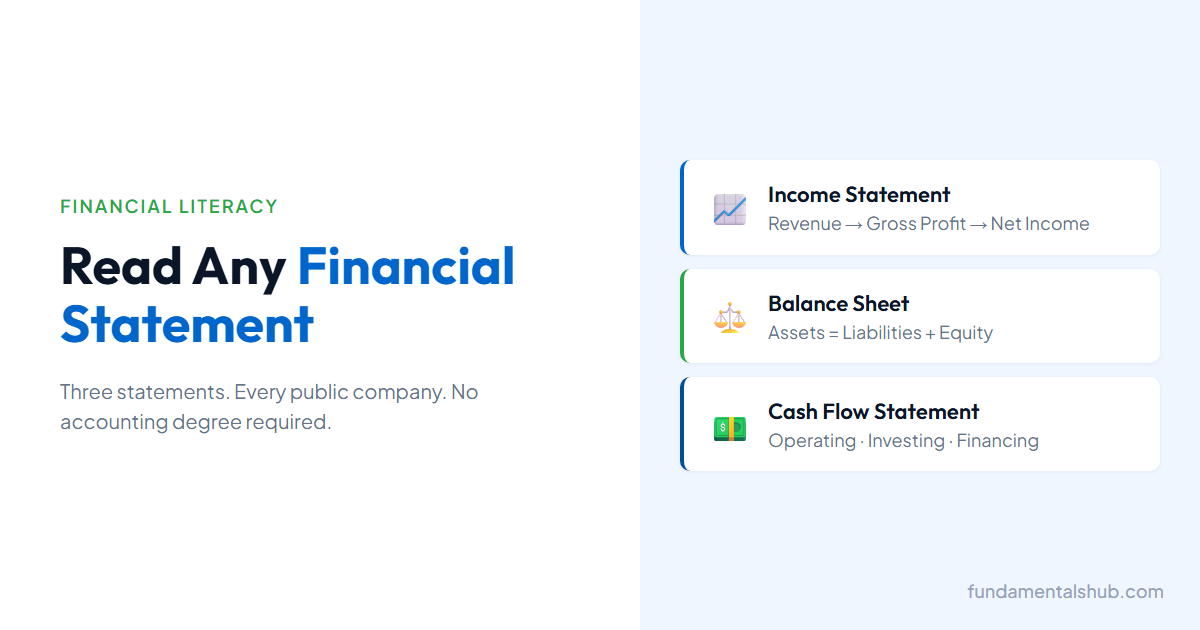
Learn how to read financial statements without an accounting background. Income statement, balance sheet, and cash flow explained with Apple FY2025 numbers.
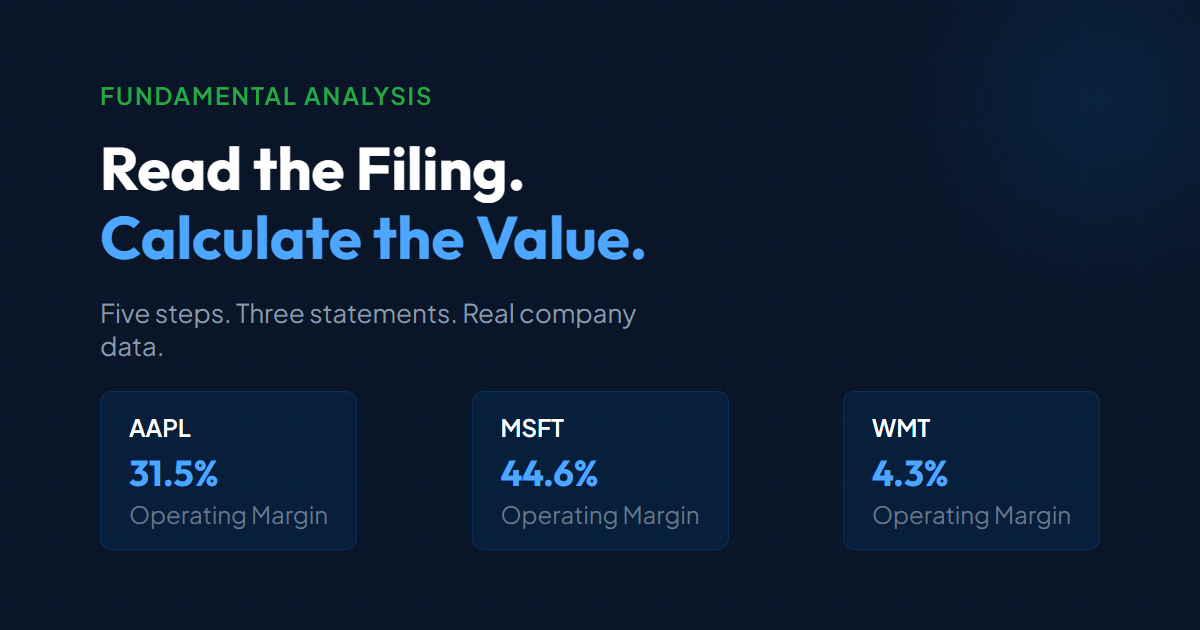
Learn fundamental analysis step by step. Work through revenue, profitability, balance sheet health, and cash flow using real company data and real numbers.
Side-by-side comparison of 6 financial data APIs: pricing, coverage, rate limits, and data quality. Find the right fit for your project.
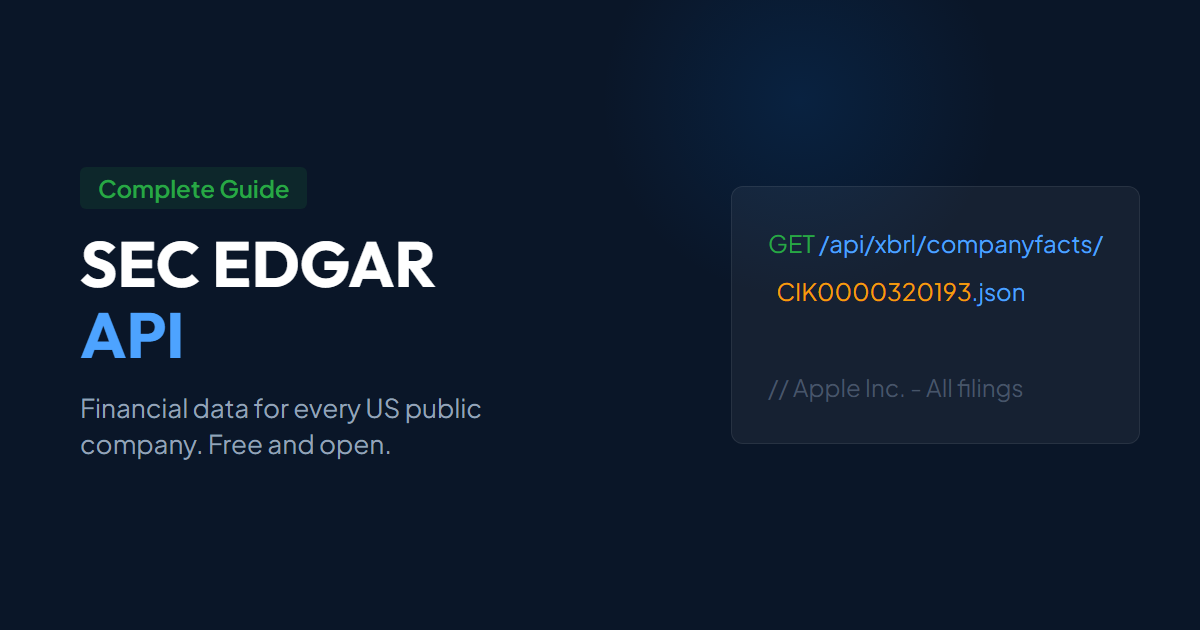
How to use the SEC EDGAR API to pull financial data for 8,000+ public companies. Endpoints, response format, rate limits, and XBRL gotchas covered.